Campaign Communications & Organizing
Speaking the Language of Community
Delivering Spanish-language, state-specific organizing materials for the Harris campaign in Virginia – built in real time to meet a critical gap in outreach.
Campaign
Harris-Walz 2024
Role
Project manager, digital strategist & designer (in collaboration with state organizers)
Deliverables
Spanish-language literature, translation coordination, visual design
Overview
During the Harris campaign, much of the organizing infrastructure flowed from the national level — messaging, creative assets, and voter-facing materials were typically developed centrally and distributed to states.
But not everything made it downstream. In Virginia, one gap became immediately clear: there were no Spanish-language materials available for organizers working in Spanish-speaking communities.
For a campaign built on coalition and participation, that absence wasn’t just an oversight — it was a barrier.
The Challenge
Access isn’t just about presence — it’s about language.
Virginia organizers were already doing the work of outreach in Spanish-speaking communities. They had relationships, local knowledge, and momentum. What they didn’t have were the materials to support that work — literature that voters could read, take home, and engage with in their own language.
Waiting for the national campaign to fill the gap wasn’t a viable option. Campaign timelines move quickly, and organizing conversations don’t pause while materials catch up.
Research
Before creating anything, I partnered directly with Virginia-based organizers to understand what would actually be useful in the field.
Stakeholder Conversations
Those conversations shaped everything that followed:
What formats worked best for canvassing vs. events
Which messages resonated most strongly with Spanish-speaking voters in Virginia
Where literal translation would fall short of cultural clarity
Key Insights
Direct translation without context risks flattening meaning.
The goal wasn’t to replicate English-language materials word for word – it was to create something that felt native to the audience it was meant to reach.
Process
Coordinating Translation
We were very fortunate to have multiple Spanish speakers with diverse cultural backgrounds on the digital and organizing teams.
I worked to ensure messaging was not only accurate, but culturally and contextually appropriate. This meant prioritizing clarity over literalism, and making sure tone matched the campaign’s voice while still resonating locally.
Once the needs were clear, the work moved quickly – and collaboratively.
Building State-Specific Materials
Rather than repurposing national templates, we created literature tailored specifically to Virginia – reflecting the state’s electorate, priorities, and organizing strategy.
Designing for Accessibility
I led the design process myself, creating materials that were:
Easy to skim, read, and navigate in high-touch organizing environments
Visually aligned with campaign branding
Iterating with Organizers
Materials were shared, used, and refined in real time. Feedback loops with organizers ensured that what we produced wasn’t just polished — it was useful.
A Constraint Worth Naming
We undertook this project without the typical infrastructure of a centralized campaign rollout.
There was no pre-existing Spanish-language system to plug into. No ready-made templates. No extended timeline.
That constraint shaped our approach – prioritizing speed, consistency, and collaboration.
Solution
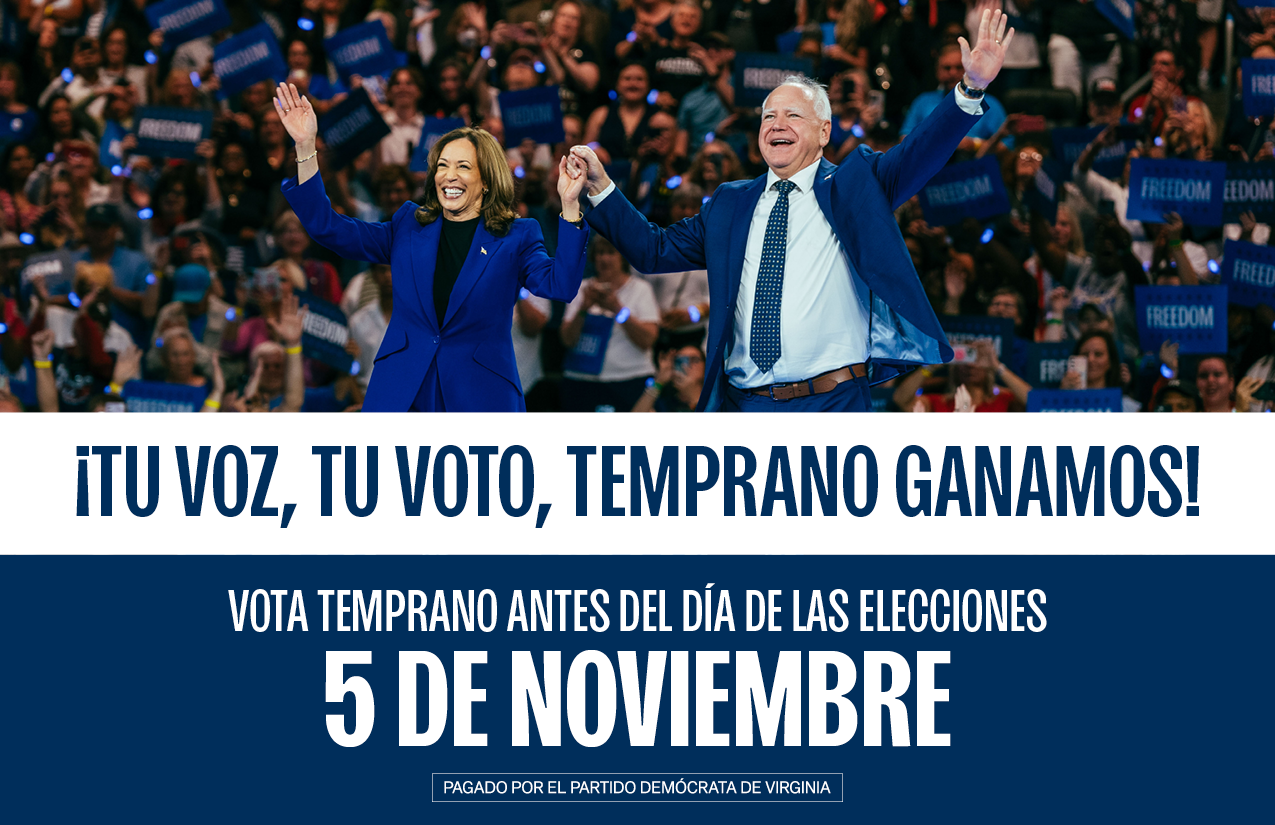
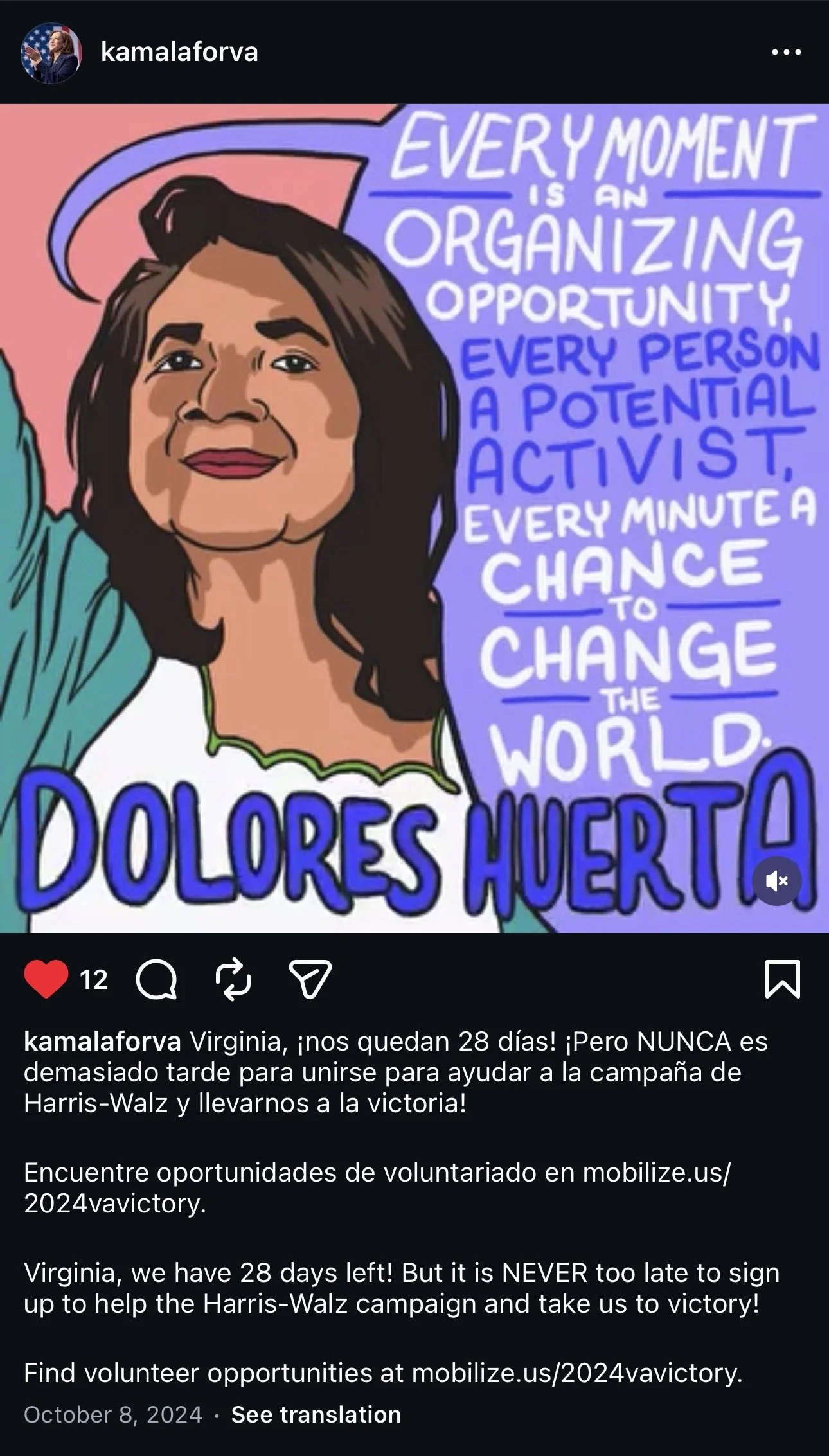
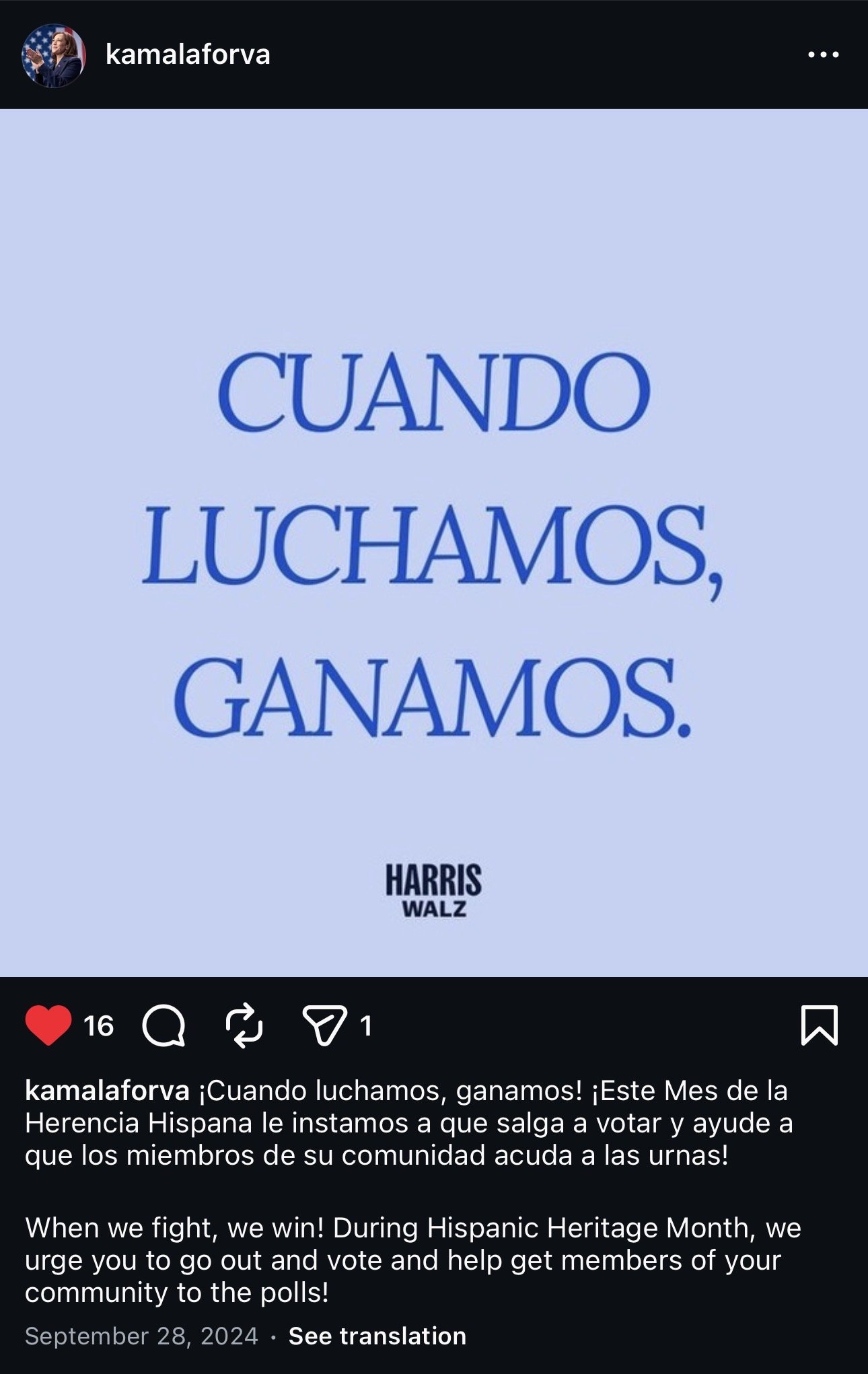
The final deliverables were a suite of Spanish-language, Virginia-specific organizing materials that could be immediately deployed in the field.
They worked because they were built in collaboration with the people using them, not handed down after the fact.

Reflections
This effort enabled organizers to more effectively engage Spanish-speaking voters across Virginia, ensuring those communities were not left out of critical campaign conversations.
But the impact goes beyond any single set of materials. It reinforced a broader principle:
Equity in communication requires proactive action.
Localization is not a “nice to have” – it should be a core strategy.
When systems fall short, meaningful work happens at the edges.
At its core, this project reflects how I approach communications and digital strategy:
Start with the people closest to the work (a principle derived from the disability community’s “nothing about us, without us”)
Build for real use, not theoretical audiences
Treat inclusion as foundational, not additive
Reaching people where they are isn’t just about distribution. It’s about respect and making sure everyone is invited into the conversation.